Math E-320 Spring 2021
Teaching Math with a Historical Perspective

|
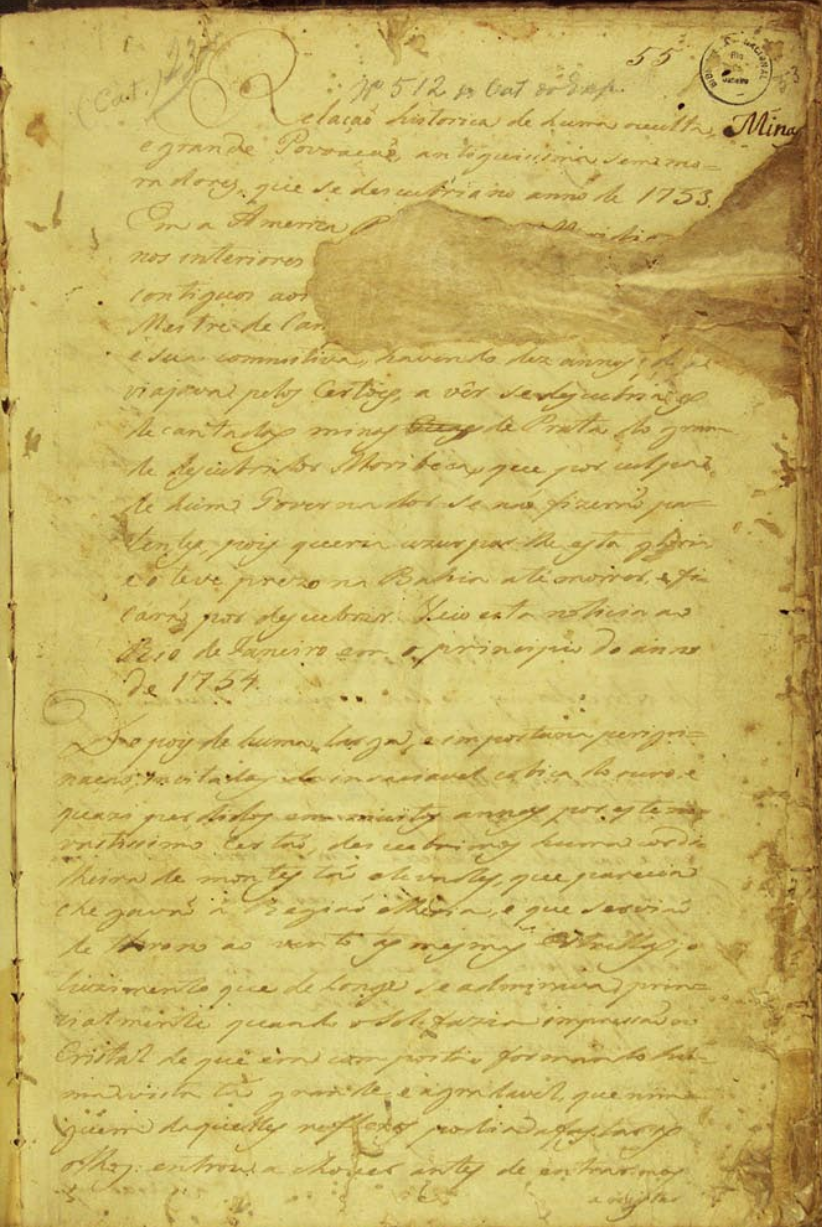
Manuscript 512
is a document in the national library of Rio de Janeiro.
Here [PDF] is the document
source from Brasil. And here [PDF] is a transcript and translation by Cole Squires.
What does it have to do with math. First of all, its a riddle, one has still to crack
some code. Understanding the Mayan code, knowing the rules and grammar of the Khipus,
the Hieroglyphs, solved thanks to a Rosetta stone moment, these are all rather tricky
math puzzles. < br /> From this text:
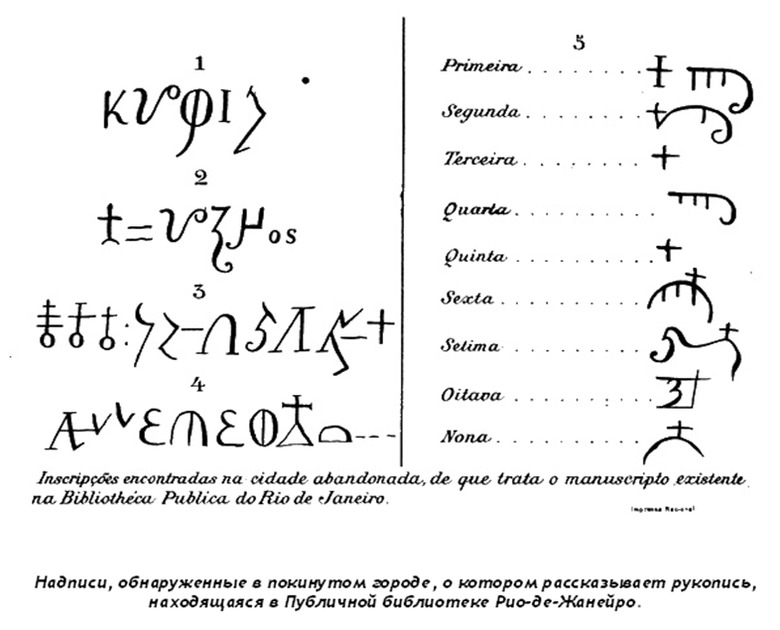
in the city are the work of the Egyptians of the time of Ptolemy. In
addition, there are many evidences of the Roman Empire in the city: the
Arch of Constantine, the statue of Augustine. The following are excerpts
from this document.  The entire expedition of Fawcett did not return
back, and her fate was forever a mystery, which soon overshadowed the
very mystery of the lost city.  In the subtitle of the document it is
said that a certain group of bandeirants ("hunters for the Indians")
spent 10 years wandering through the internal unexplored areas of
Brazil (sertanes) in order to find the legendary "lost Moribec mine".
From this blog:
There is an extremely interesting document referred to as Manuscript 512, located in the Brazilian National Library in Rio de Janeiro. It mentions how a group of explorers stumbled upon a ruined ancient city in the eastern parts of Brazil in 1753. This `magnificent stone city' was unlike any other city they've ever seen, with architecture early reminiscent of that of Ancient Greece and mysterious writings not native to the region. |